
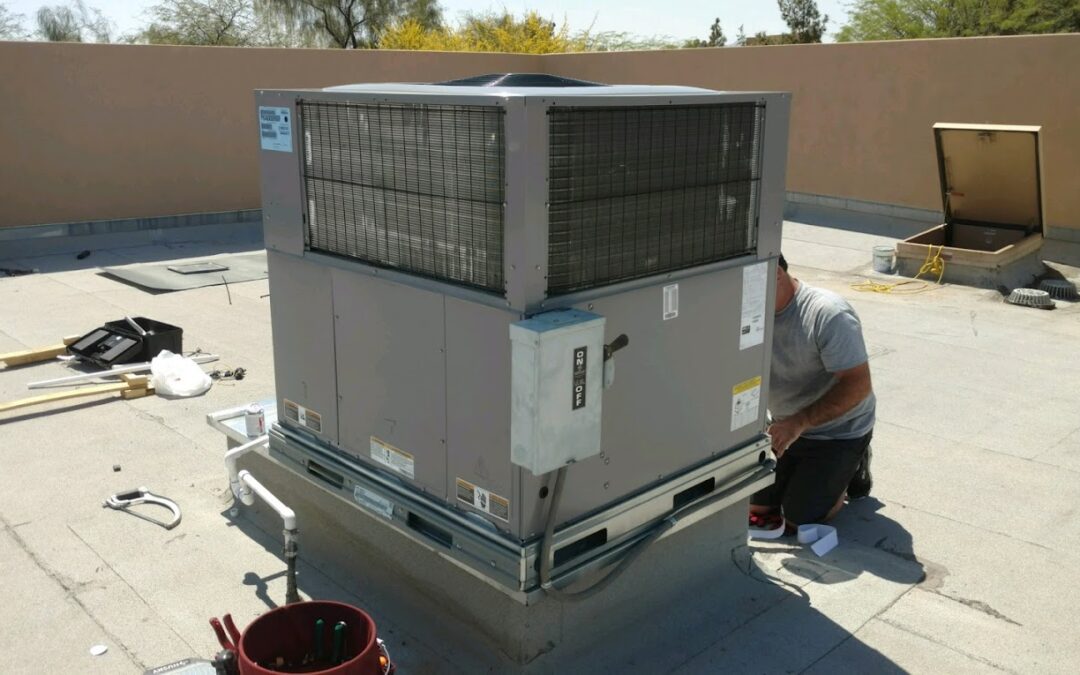
Why Is There Water Around My AC Unit?
Is Water Around Your AC Unit Normal?
Seeing water around your air conditioner in Phoenix can be concerning, especially when the system is running frequently during the summer. While an AC naturally produces condensation as it removes moisture from indoor air, that water should normally be collected in a drain pan and directed away from the HVAC equipment through a condensate drain system.
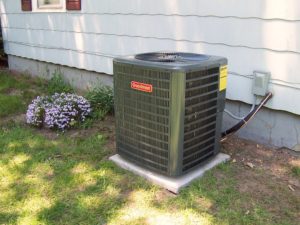 If water is pooling around the indoor unit, dripping from an unexpected location, or appearing near the equipment when it should not, there may be a problem with the drainage system, airflow, evaporator coil, or another component.
The U.S. Department of Energy explains that air conditioners remove heat and humidity from indoor air during the cooling process. That moisture condenses as water and needs to be properly drained from the system.
A small amount of condensation from the appropriate drain outlet can be normal. Water pooling around the AC equipment is not something Phoenix homeowners should simply ignore.
6 Common Reasons Your AC Is Leaking Water
1. A Clogged Condensate Drain
One of the most common causes of an AC water leak is a clogged condensate drain line. Dust, algae, sludge, and other buildup can restrict the line, preventing condensation from leaving the system.
When the water cannot drain properly, it can back up into the drain pan and eventually spill around the indoor unit.
2. A Frozen Evaporator Coil
A frozen evaporator coil can eventually create a water leak. When the ice melts, the resulting water may overwhelm the drain pan or escape from areas where it should not.
Restricted airflow, a dirty filter, blower problems, and refrigerant-related issues can all contribute to an evaporator coil freezing.
If you see ice on your indoor AC components or refrigerant lines, turn the system off and have it inspected rather than attempting to remove the ice yourself.
3. A Damaged or Rusted Drain Pan
The drain pan catches condensation produced during normal AC operation. Over time, a pan can become damaged, corroded, or cracked.
If the pan can no longer hold the water produced by the system, condensation may leak onto surrounding surfaces.
4. A Clogged or Disconnected Drain Line
Even when the main drain is not completely blocked, a disconnected, cracked, or improperly positioned drain line can allow water to escape before it reaches the intended drainage point.
5. A Dirty Air Filter
A heavily restricted filter can reduce airflow across the evaporator coil. In some situations, inadequate airflow can contribute to coil freezing. Once the ice melts, water can end up around the AC equipment.
ENERGY STAR recommends checking HVAC filters regularly during periods of heavy use and replacing them when they become dirty.
6. A Problem With the Condensate Pump
Some HVAC systems rely on a condensate pump to move water away from the equipment when gravity drainage is not possible. If the pump fails or its drain becomes restricted, water can accumulate around the indoor unit.
Where Is the Water Coming From?
The location of the water can provide useful clues, although it does not necessarily identify the exact cause.
Water Around the Indoor AC Unit
Water near an indoor air handler or furnace is often associated with the condensate drainage system. Possible causes include a clogged drain line, damaged drain pan, frozen evaporator coil, or condensate pump problem.
Water Coming From a Ceiling
If your indoor HVAC equipment is installed in an attic, water may travel through insulation or building materials before becoming visible. A small HVAC leak can therefore turn into a ceiling stain or dripping water below the equipment.
Do not assume the visible water is directly underneath the source. Water can travel along surfaces before appearing in another location.
Water Around the Outdoor AC Unit
The outdoor condenser does not normally produce the same type of condensate as the indoor evaporator coil. Water around the outdoor equipment may have another explanation, such as irrigation, rain, drainage, or another source.
If you notice an unusual amount of water coming from the outdoor unit or a nearby refrigerant line, have the system inspected rather than assuming it is normal condensation.
Water Near an AC Drain Pipe
You may occasionally see water coming from the designated condensate drain outlet. That can be normal because the AC is removing moisture from indoor air.
The important distinction is between water exiting through the intended drainage point and water escaping around the equipment.
What Should You Do if Your AC Is Leaking Water?
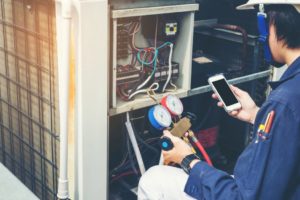
Technician is checking air conditioner
If you discover water around your AC, take a few basic steps before the problem causes additional damage.
Turn off the AC if water is actively pooling. Continuing to operate a system with a significant leak can allow more water to accumulate and may worsen an underlying problem.
Check the air filter. If it is visibly dirty, replace it with the correct filter for your HVAC system.
Look for ice. If you see ice around the indoor coil or refrigerant lines, leave the system off and allow it to thaw. Do not chip or scrape the ice away.
Check for obvious drain problems. If your system has an accessible condensate drain, look for visible signs of blockage or water backing up. Do not disassemble HVAC components unless you are qualified to do so.
Protect nearby areas. Move belongings away from the water and use towels or a suitable container to limit additional water damage while you wait for service.
Call an HVAC professional if the leak continues. A technician can determine whether the problem involves the drain system, coil, airflow, refrigerant, pan, pump, or another component.
Water leaks should receive particular attention when the HVAC system is installed above finished ceilings, flooring, insulation, or other materials that can be damaged by prolonged moisture.
When Is an AC Water Leak an Emergency?
Not every drop of water around an air conditioner requires emergency service, but certain situations should be addressed quickly.
Schedule HVAC service promptly if:
- Water is pooling around the indoor unit.
- The AC is no longer cooling properly.
- You see ice on the evaporator coil or refrigerant lines.
- Water is dripping through a ceiling.
- The condensate drain repeatedly becomes clogged.
- The system shuts down unexpectedly.
- You notice electrical components near standing water.
- The leak continues after basic troubleshooting.
If water is near electrical equipment, shut the system down and avoid handling electrical components. If a ceiling is saturated or beginning to sag, keep clear of the area and address the water source promptly.
A professional HVAC inspection can identify the source of the leak and determine whether the appropriate solution involves clearing a drain, repairing a pan, correcting airflow, addressing a frozen coil, servicing a condensate pump, or repairing another HVAC problem.
For Phoenix homeowners, a properly functioning condensate system is an important part of keeping an AC system operating reliably during the long cooling season. The U.S. Department of Energy recommends regular air-conditioning maintenance to help keep cooling systems operating efficiently and properly.
If you notice water around your AC unit, Heath’s Air can help identify where the water is coming from and determine what needs to be repaired. Book your free estimate today!